Field notes: the budget hearing where nobody could explain why the tax base hadn't grown
I sat in on a budget hearing a few months back, the kind that runs long because the capital projects list is thin and everyone in the room knows it. Somewhere past the ninety-minute mark, a council member asked the finance director a question that should have had an easy answer: why hadn't the assessed value base moved more, given how much building had clearly gone up around town?
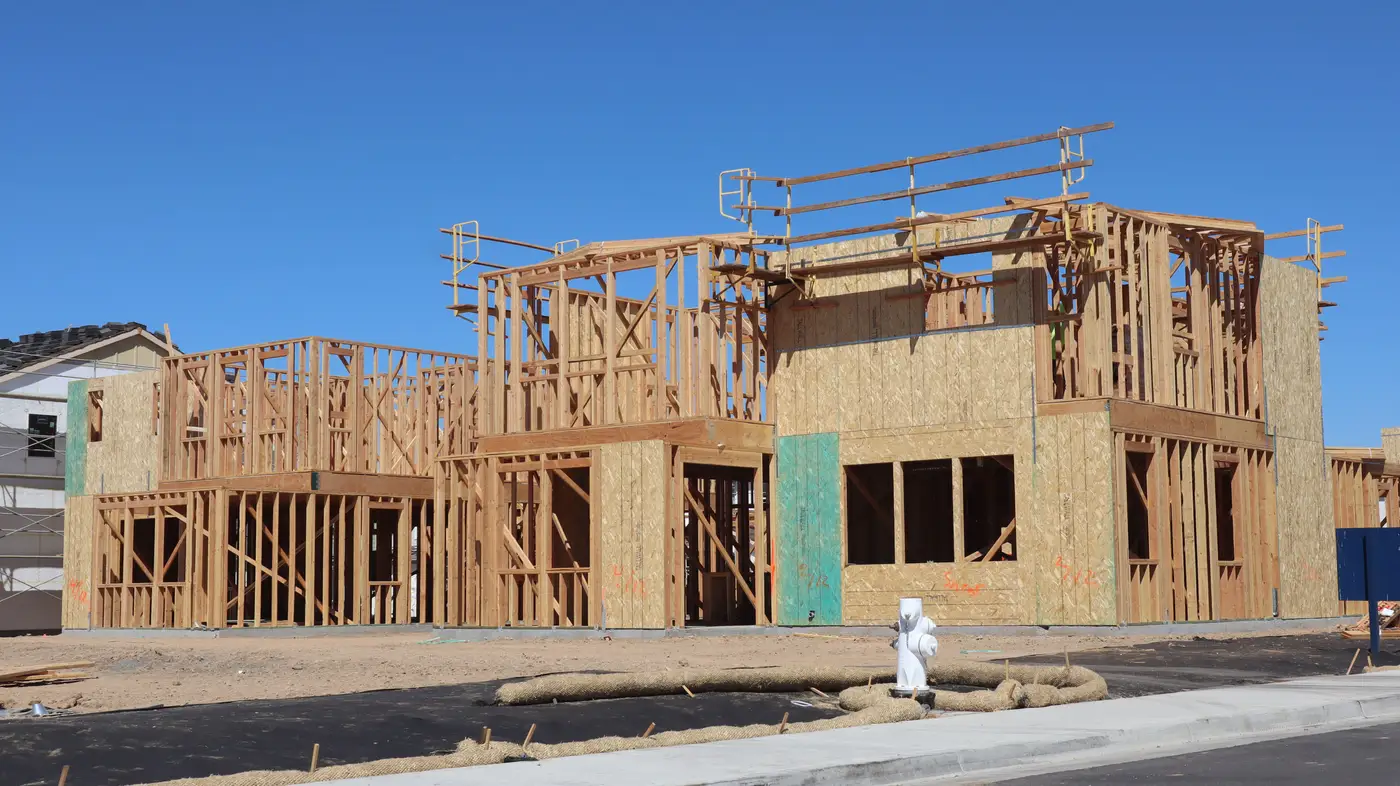
It was a fair question. You could see three new additions from the parking lot of that building. A subdivision on the east side had been under roof for over a year. Nobody disputed that construction was happening. The problem was that nobody at the table, not the finance director, not the assessor's rep who'd been pulled in to field questions, could say with any confidence how much of that construction had made it onto the roll.
The assessor's rep gave the honest answer, which was also the uncomfortable one: the office does spot-checks. A few field visits a month, driven mostly by permit referrals and the odd tip from a neighbor. In a county with tens of thousands of parcels, that pace reaches a few dozen parcels a year, and everyone in the room seemed to understand what that meant without anyone saying it out loud.
The scene felt familiar to me. I've heard some version of this exchange in enough hearings to recognize the pattern: a council wants growth in the tax base to match growth they can see with their own eyes, and the office responsible for capturing that growth is working from permits that don't always get filed, referrals that trickle in late, and a field crew that can only cover so much ground in a budget year.
Permits are the backbone of most roll reconciliation work, and for a lot of improvements they work fine. Somebody pulls a permit for an addition, the permit crosses the assessor's desk, a supplemental assessment eventually follows. But permits assume the homeowner applies for one.
A pool goes in without a permit more often than most offices would like to admit. An outbuilding gets framed over a weekend. An addition gets built by a contractor who never files because the homeowner asked him not to. None of that shows up in a permit cross-check, because there was no permit to cross-check against.
That's the gap the finance director couldn't explain, because it isn't really a finance problem. It's a visibility problem. The office doesn't have an accurate count of unassessed improvements because nobody has looked at every parcel. They've looked at the parcels that got flagged, which is a different and smaller set.
What would have answered that council member's question is a full pass across the roll, not another round of spot-checks. Something that takes what's built today, compares it against what's built a year ago and against what's currently on the assessment roll, and surfaces the parcels where those three things disagree. Not a theory about where growth might be hiding. An actual ranked list of parcels with unassessed change, so the field crew knows where to drive instead of guessing.
That's the piece missing from most of these hearings, and it's the whole idea behind a yearly imagery comparison built for this exact reconciliation problem: catch the additions, pools, and outbuildings that permits missed, before the next budget cycle brings the same question back to the table.
Because the question is going to come back. It always does. Better to walk into that hearing with a number you can actually defend.