Field notes: the shed that grew into a guest house and nobody filed paperwork
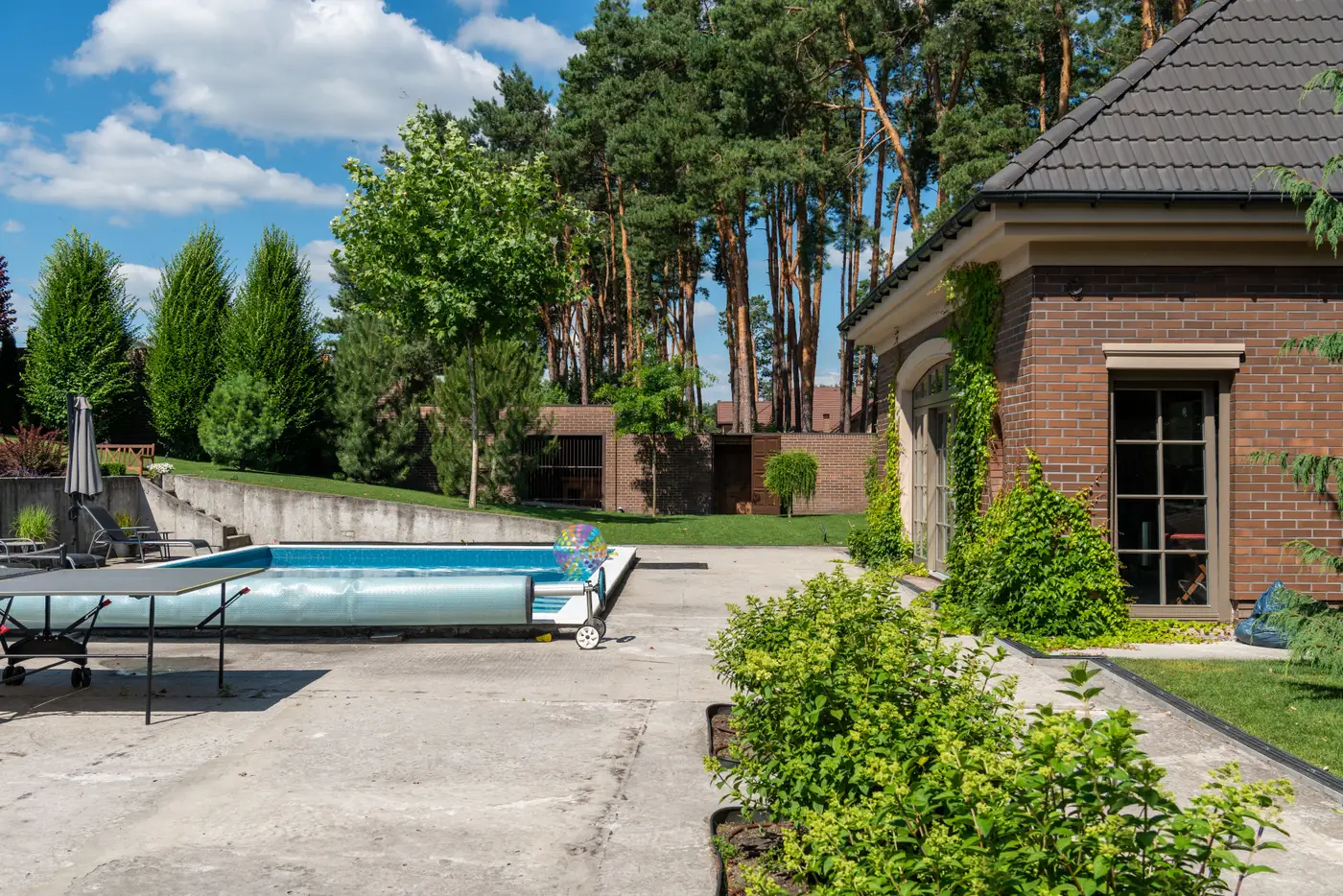
There's a parcel on the edge of most counties' rolls like this: a shed permitted back when a postage stamp cost less than a cup of coffee, 120 square feet, "accessory structure, no plumbing," signed off and filed away. Nobody's looked at it since. Somewhere between then and now, it picked up insulation, then a window unit, then a half bath, because running a line from the main house wasn't much more work once the trench was already open. A sleeping loft came next. Now it's got a mini-split, a covered porch, and a listing on a short-term rental site calling it a "cozy guest cottage."
None of that happened on a Tuesday. It happened over twelve summers, a few hundred dollars at a time, each addition small enough that nobody thought to pull a permit for it, and even if someone had, the permit office has no reason to flag it against the roll unless the homeowner tells them. The shed was never supposed to be a structure worth reassessing. It just became one.
This is the shape unpermitted work usually takes, and it's worth sitting with for a second because it explains why the usual tools miss it. A permit cross-check is built on the assumption that somebody filed something. It's a good tool for catching the garage that got a permit for the slab and then somehow ended up with a second story nobody inspected. It does nothing for the owner who never went near the permit counter at all, because in their head this was never "construction." It was a weekend project that kept going.
Complaint-driven review has the same blind spot from a different angle. Nobody calls the assessor's office about a tidy backyard cottage. Complaints come from the neighbor whose view got blocked, or the dumpster that sat on the curb three weeks too long. A shed that grew slowly, with good taste and no visible mess, generates zero complaints and zero reassessment, for years, sometimes for the life of the owner who finished it.
Spot checks don't fix this either, not structurally. A field crew walking a sample of parcels each year will hit this one eventually by sheer odds, maybe. Or they won't, because the county has eleven thousand improved parcels and a crew that can physically visit a few hundred of them before the budget runs out. The shed-turned-guest-house isn't hiding. It's just not anyone's turn yet.
What actually surfaces it is comparing what's there now against what was there last year, parcel by parcel, across the whole roll, not a sample of it. A structure that went from a bare roofline to a roofline with a dormer and an AC condenser shows up as a change whether or not it ever crossed an assessor's desk as paperwork. That's the gap Tax Gap Detection is built to close: it runs this year's imagery against last year's and the current roll, and hands back a ranked list of the parcels where something got built that the roll doesn't know about, sorted by what it's likely worth, so field verification starts with the shed that's now a guest house instead of starting wherever the sample happened to land.
The owner isn't usually trying to get away with anything. Most of them would tell you, if asked, that they always meant to call it in once it was "done." It just never felt done enough to be worth the trip to the counter, and in the meantime the guest house keeps renting out at eighty dollars a night while it sits on the books as a 120-square-foot shed with no plumbing. A supplemental assessment eventually corrects that, once someone notices. The only real question is whether your roll notices this year or five years from now.
If your county's roll still runs on who happens to get walked past, it might be worth seeing how a full pass compares.