How to calculate the millage impact of newly discovered assessed value
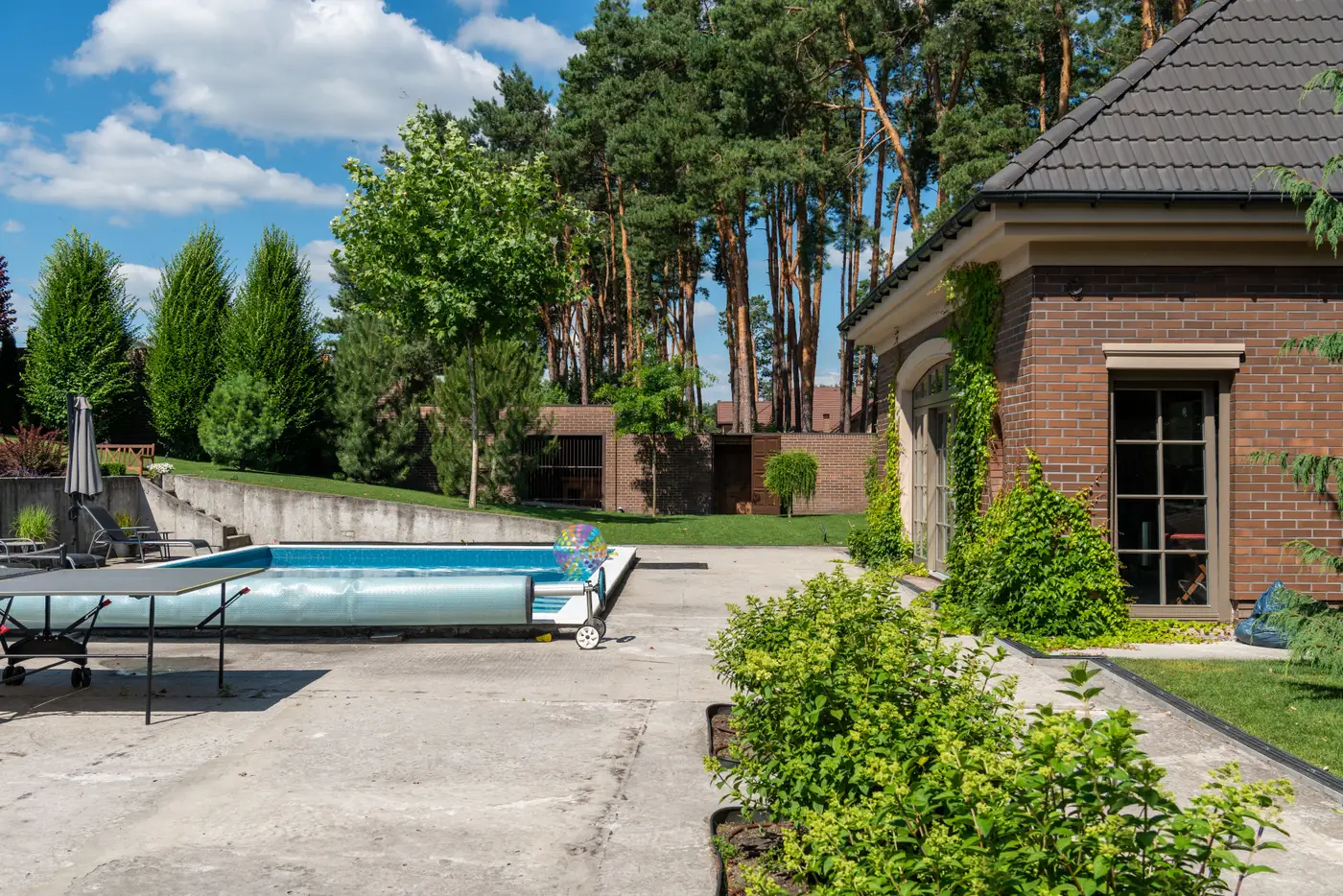
Every year someone finds a pool, a finished basement, or a 1,200-square-foot addition that never made it onto the roll. Before you send a supplemental assessment, the board or the council is going to ask what it's worth to the budget. That's a millage calculation, and it's less complicated than people make it out to be.
The formula, and the one thing that changes it
A mill is one dollar of tax per thousand dollars of assessed value. So the basic math for new added value is:
Added value ÷ 1,000 × mill levy = additional tax dollars generated
A $50,000 unassessed improvement under an 18 mills levy produces $900 a year. That part is arithmetic any clerk can do on a calculator.
The part that trips people up is what happens to the rate, not the dollars. If your jurisdiction sets a fixed budget and backs into the levy, which is how most districts work, new added value grows the tax base, and a bigger base means the mill number needed to hit that same budget goes down. Finding unassessed improvements doesn't just raise revenue from the parcels you found. It can lower the rate everyone else pays, or hold the rate flat while funding a bigger budget without a politically painful levy increase. If your jurisdiction instead sets a fixed levy and lets revenue float, newly discovered value shows up as straight new dollars, with no adjustment to the number itself. Know which model your jurisdiction runs before you present the figure, because the two produce very different headlines.
A worked example
Say a roll reconciliation pass turns up 40 parcels with construction that was never picked up: a mix of pools, garages, and additions, totaling $1.8 million in added value. Your district's current tax base is $420 million and the levy is 16.5 mills.
Old budget at 16.5 mills on $420M: $6,930,000 New base after adding $1.8M: $421.8 million
If the budget stays fixed at $6,930,000, the new levy needed is $6,930,000 ÷ $421,800,000 × 1,000 = 16.43 mills, a small but real drop.
If the levy stays fixed at 16.5 mills, the new revenue is $421,800,000 × 16.5 ÷ 1,000 = $6,959,700, which is $29,700 more than before, money that didn't exist on paper last year even though the structures were sitting there.
Either way you present it, the number traces back to specific parcels with specific added value, which is what makes it defensible in front of a budget committee.
Where the added value comes from in the first place
The formula only works if the added value feeding into it is real and complete. That's usually the weak link. Permit records catch improvements where someone pulled a permit, but plenty of pools, sheds, and additions go up without one, or the permit was pulled and the certificate of occupancy never triggered a roll update. A field crew doing spot checks on a few hundred parcels a year is never going to cover a county with tens of thousands.
This is the gap a yearly imagery comparison is built to close: a pass that lines up this year's aerial or satellite imagery against last year's and against the current roll, flags every parcel where something got built that isn't reflected in the assessment, and ranks those parcels by estimated added value so field verification time goes to the biggest misses first. A full-roll pass like this turns "we think we're missing some value out there" into a specific list of parcels with specific dollar estimates, which is exactly the input the millage math above needs to actually mean something.
Once you have that list, the calculation stops being a guess and starts being a number you can put in front of the budget committee with a straight face. If your roll hasn't had a full pass in a while, it might be worth finding out what Tax Gap Detection turns up on yours.