What counts as an outbuilding for assessment purposes
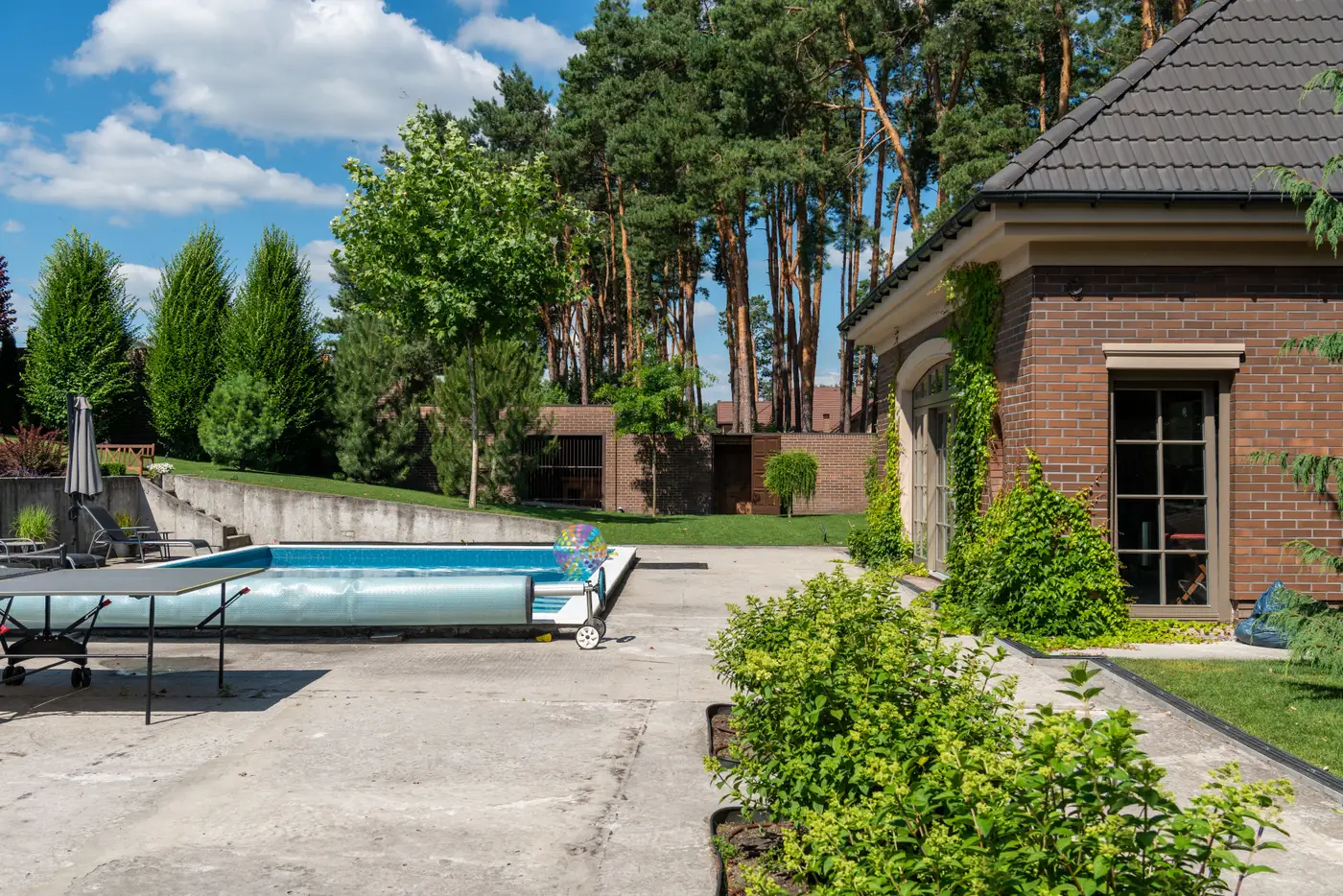
Every assessor's office has the same argument at least once a year: is that thing in the backyard a taxable outbuilding, or is it a shed nobody needs to touch? The distinction matters more than it looks like it should, because getting it wrong in either direction either inflates a homeowner's bill for a glorified toolbox or lets a finished pole barn sit untaxed for a decade.
There's no single national standard. Every state statute and local code writes its own threshold, and county practice often drifts from what the statute actually says. But most jurisdictions lean on a handful of the same factors to decide whether a detached structure belongs on the assessment roll.
Outbuilding vs. shed: where the roll draws the line
The usual tests, roughly in order of how much weight assessors give them:
- Permanence. A structure on a poured or block foundation reads as real property. A shed sitting on skids or concrete blocks, movable without demolition, usually doesn't.
- Size. Most jurisdictions set a square-footage floor, often somewhere between 100 and 200 square feet, below which a structure is treated as personal property or ignored entirely. A 10x12 storage shed might fall under the line; a 24x36 detached garage never does.
- Utility connections. Power, water, or a finished interior push a structure toward "assessable" fast. An electrified workshop with insulation and drywall reads very differently than an empty tin shed.
- Use. Storage sheds, doghouses, and small greenhouses tend to get a pass. Garages, barns, workshops, guest houses, and pole buildings with a real roof system and a slab don't.
- Permit requirement. If local code requires a building permit for the structure, that's usually your signal that it's assessable. Sheds under the permit threshold frequently aren't, which is exactly why they slip through a permit cross-check.
None of these tests work in isolation. A 300-square-foot shed with no foundation and no power might still get flagged if the jurisdiction's code sets the bar at 200 square feet regardless of construction. Check the local code before you argue with the field sheet.
Why detached structures are the ones that go unassessed
Pools get noticed. Additions get noticed, because they usually touch the main structure and show up in a permit file or a neighbor's complaint. Detached structures are a different story. A pole barn built in the back forty, a detached garage added after the original sale, a converted carriage house behind the main parcel: these sit far enough from the house that routine field checks skip them, and far enough from the public record that permit cross-checks miss them when the owner never pulled a permit in the first place.
That's the actual gap. Added value from a detached structure doesn't show up because nobody drove past it, not because the test for what counts is unclear. A parcel can carry an unassessed pole barn for years before anyone notices, and the only reason it ever comes up is a sale, a refinance appraisal, or a neighbor's tip.
What this means for a supplemental assessment
Once a structure clears the local threshold, whether it's a detached garage, a finished workshop, or a barn, it belongs on the roll at its contributory value, same as any other improvement. The added value gets picked up through a supplemental assessment, and the owner gets the standard assessor's notice and the standard appeal window. There's nothing unusual about the process once the structure is identified. The hard part has never been the rule. It's finding the structure in the first place, parcel by parcel, across a jurisdiction too large to drive in a season.
That's the piece most offices end up automating first, because it's the one spot-checks were never built to cover. A full-roll comparison against current and prior-year imagery catches the detached garage or pole barn that went up without a permit and ranks it by estimated added value, so field staff know which parcels are worth a visit before the next assessment cycle closes.
If outbuildings keep showing up on your roll a year or two after the fact, it might be worth seeing what a full pass turns up before the next cycle.