What is a permit cross-check in property tax assessment?
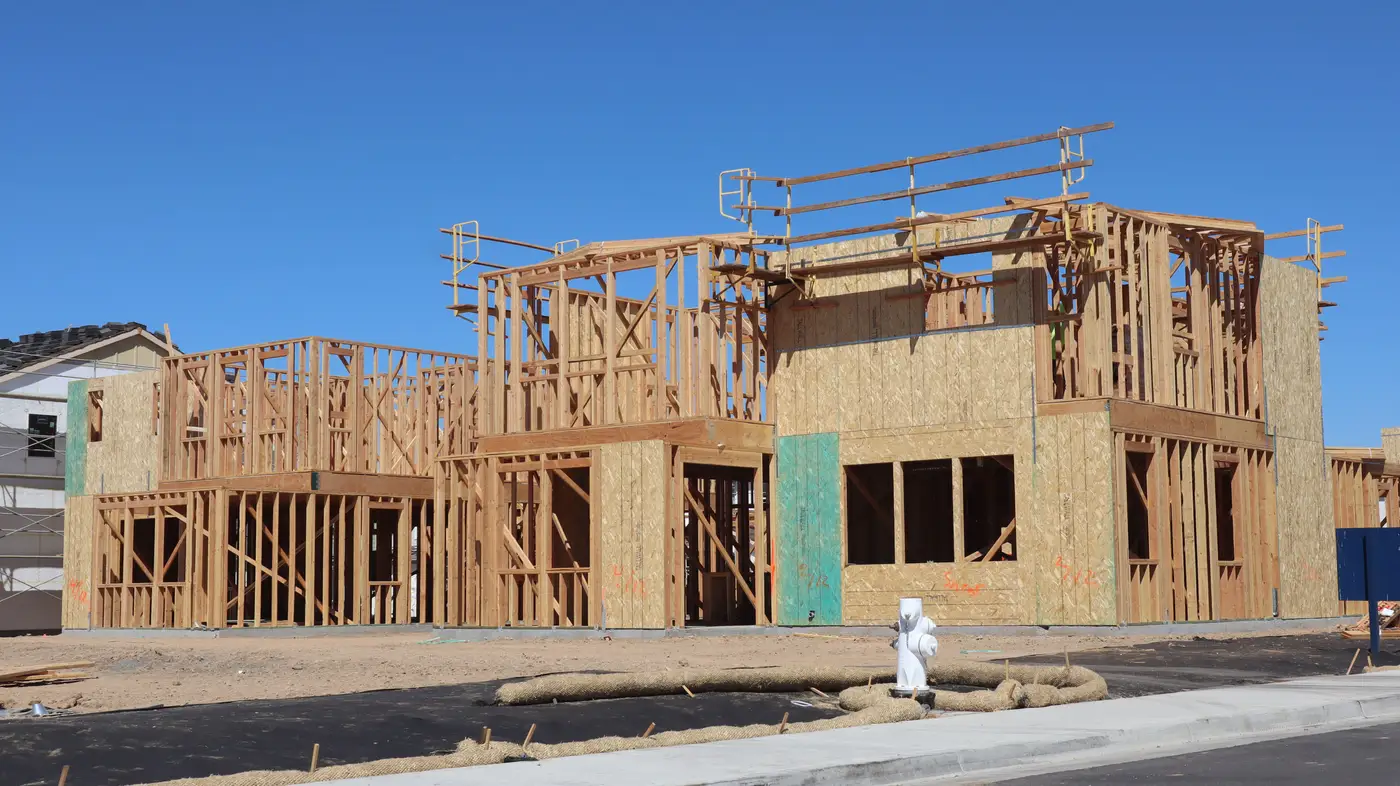
A permit cross-check is the practice of matching building permit records against the assessment roll to find parcels where work was permitted, inspected, and closed out, but the value on the roll never moved. The building department issues the permit. The field inspector signs off on the final. Then somewhere between the inspection file and the appraiser's desk, the update stalls, and the parcel sits on the roll at its pre-improvement value for a year, two years, sometimes longer.
Most assessment offices already do some version of this. It's one of the oldest tools in roll maintenance, older than aerial imagery, older than GIS. Every office cross-checks permits against the roll in some form. The real variable is how complete that check is and how much work slips past it.
How the cross-check works
In a typical office, someone pulls a permit list from the building department on a monthly or annual basis: new construction, additions, pool installs, accessory structures, anything with a valuation threshold that should trigger a reassessment. That list gets matched to parcel numbers, usually by address, sometimes by hand when the building department's system doesn't talk to the assessor's system.
For each match, the appraiser checks whether the parcel's last reassessment date is after the permit's closed date. If it isn't, that parcel goes into a queue for field review or a supplemental assessment. In counties with a dedicated permit liaison or a clean data-sharing agreement with the building department, this runs fairly well. In a lot of offices it runs on whoever has time that week, and the backlog grows every budget cycle the office doesn't fill the vacant appraiser position.
The output of a well-run permit cross-check is a list of parcels with permitted, completed work that hasn't hit the roll. That list is the assessor's notice stage: the point where someone sends a letter, schedules a field verification, and moves the parcel toward a supplemental assessment before the next lien date.
Where it breaks down
The permit cross-check only finds what's in the permit file. It can't find the pool that went in without a permit, the detached garage the owner built over a weekend with a buddy and a rented mixer, or the 400-square-foot addition a contractor pulled no paperwork for because the homeowner asked them not to. None of that shows up in a building department export, no matter how good the match logic is.
This is the gap that tends to get handled, if it gets handled at all, through spot-checks: a field crew drives a few streets a year, or an appraiser notices something on a routine visit for an unrelated parcel. That setup runs on luck, and it covers maybe a few hundred parcels a year in a county with tens of thousands on the roll. The unassessed improvements that never had a permit are, by definition, invisible to a cross-check that only reads permit data.
That's the piece imagery closes. Comparing this year's aerial or satellite pass against last year's catches physical change on the ground, a new addition, a pool, an outbuilding, whether or not a permit was ever pulled for it. Run against the roll, it surfaces the parcels where something got built and nothing got filed. Tax Gap Detection does exactly that pass once a year, and hands back a ranked list by estimated added value, ready to route into the same field verification workflow your permit cross-check already feeds.
A permit cross-check and an imagery-based roll pass aren't doing the same job. One tells you what got built and documented but never valued. The other tells you what got built, period. Run together, they cover a lot more of the tax base than either one does alone, and they feed the same next step: a field crew confirming what's there before the supplemental assessment goes out.
If your office runs a tight permit cross-check but still wonders what's missing from the parcels that never filed, that's the gap worth checking next.