What is an assessor's notice, and when does it go out after a change flag?
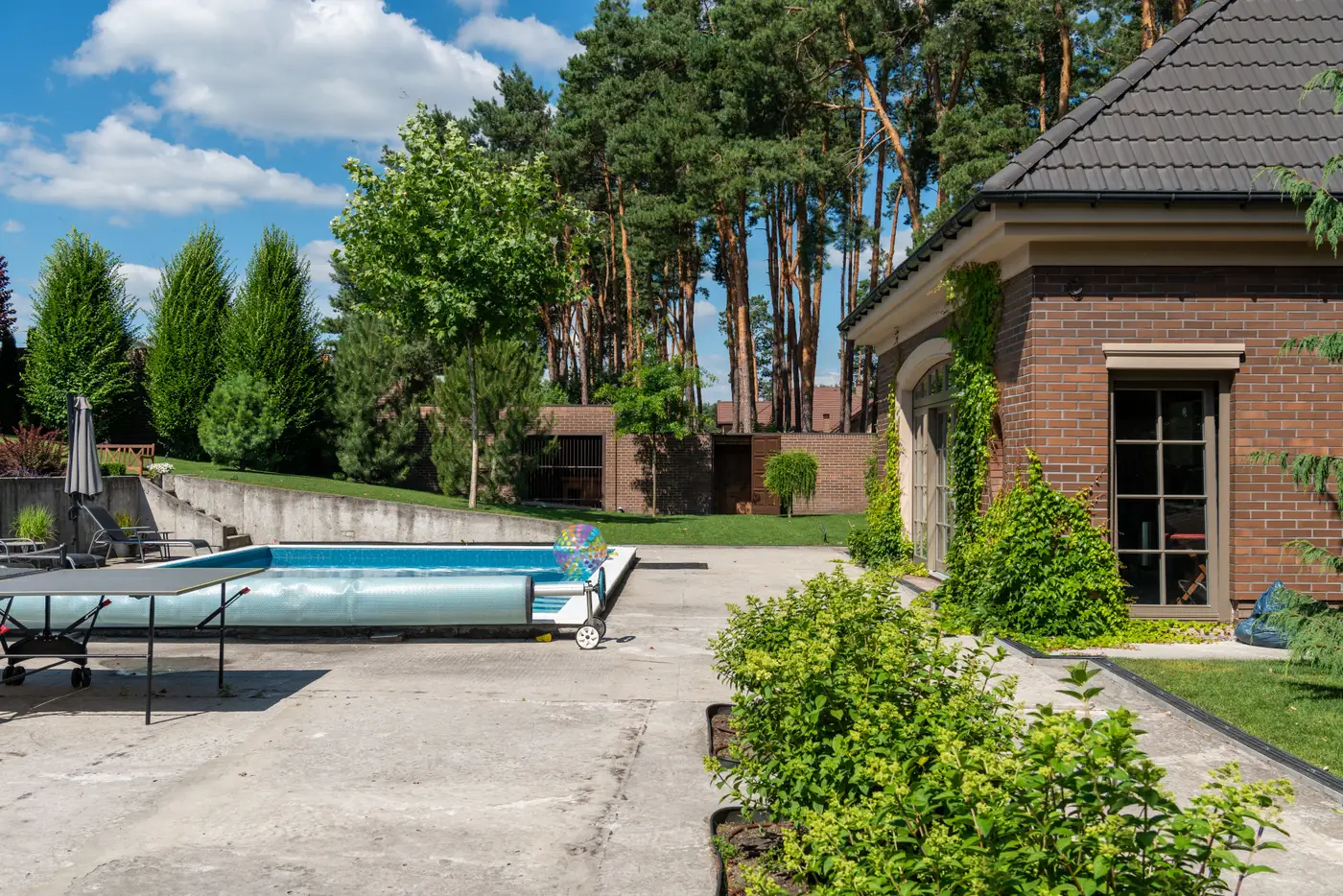
A change flag and an assessor's notice are two different steps, and mixing them up causes problems down the line. The change flag is internal: it's the signal that something on a parcel doesn't match what's on the roll, a new addition, a pool that wasn't there last cycle, a detached garage that never got a permit pulled. The assessor's notice is what the property owner receives, and it only goes out after someone in the office has looked at the flag and decided it's real.
Where the notice fits in the sequence
Most offices run some version of the same sequence, even if the tools differ:
- A change gets flagged, by a field inspector driving a route, by a permit cross-check against the building department's records, or by comparing this year's imagery against last year's.
- Someone reviews the flag against the existing roll entry for that parcel, to confirm it's not already assessed under a different line item.
- If the flag holds up, the parcel goes to field verification, or the office decides the record on hand is clear enough to skip a site visit.
- Once the added value is calculated, the office issues a notice of discovered improvement, sometimes folded into a supplemental assessment notice, sometimes sent as a standalone letter ahead of the next regular notice cycle.
That gap between step 1 and step 4 is where most of the confusion lives. A flag raised in June puts the parcel into the review queue, not into that month's notice run. Depending on backlog, staffing, and whether the improvement needs a field visit to confirm square footage or just a desk review, the notice can go out weeks or months after the flag was raised.
Supplemental assessment notice timing
State statutes vary on how far back an office can reach once an unassessed improvement is discovered, and on how much notice a property owner is entitled to before the new value takes effect. What's consistent across most jurisdictions is that the notice has to state what changed, give the owner the added value figure, and spell out the appeal window, same as a regular assessor's notice would. A supplemental notice carries the same appeal rights as the annual notice, just issued off-cycle because the improvement was found off-cycle.
This is also why offices tend to batch these. Running supplemental notices parcel by parcel as each flag clears review is a lot of paperwork for a handful of owners at a time. Most assessors wait until they've got a batch of verified improvements and send the notices together. That batching is part of why the gap between flag and notice can stretch longer than a property owner expects, and it's worth explaining to anyone who calls asking why the notice came eight months after the pool went in.
What this means for timing your own notices
If you're running a change-flag process and getting pushback about why notices are slow, the honest answer is usually that verification takes longer than detection. Spotting that a pool exists is fast. Confirming it was built this assessment year and not five years ago under a prior owner, pricing the added value correctly, and giving the owner the right to appeal before the value sticks, that's the part that takes the time, and skipping it is how notices get overturned on appeal.
The detection side is the one you can actually speed up. A full pass of this year's imagery against last year's and against the current roll surfaces the additions, pools, and outbuildings that never got assessed, so your office spends its time on verification and notice prep instead of driving spot-check routes hoping to catch what changed.
If your office is still relying on spot checks to find unassessed improvements, it's worth seeing what a full-roll pass would turn up before your next notice cycle.