Roll reconciliation, explained for assessors
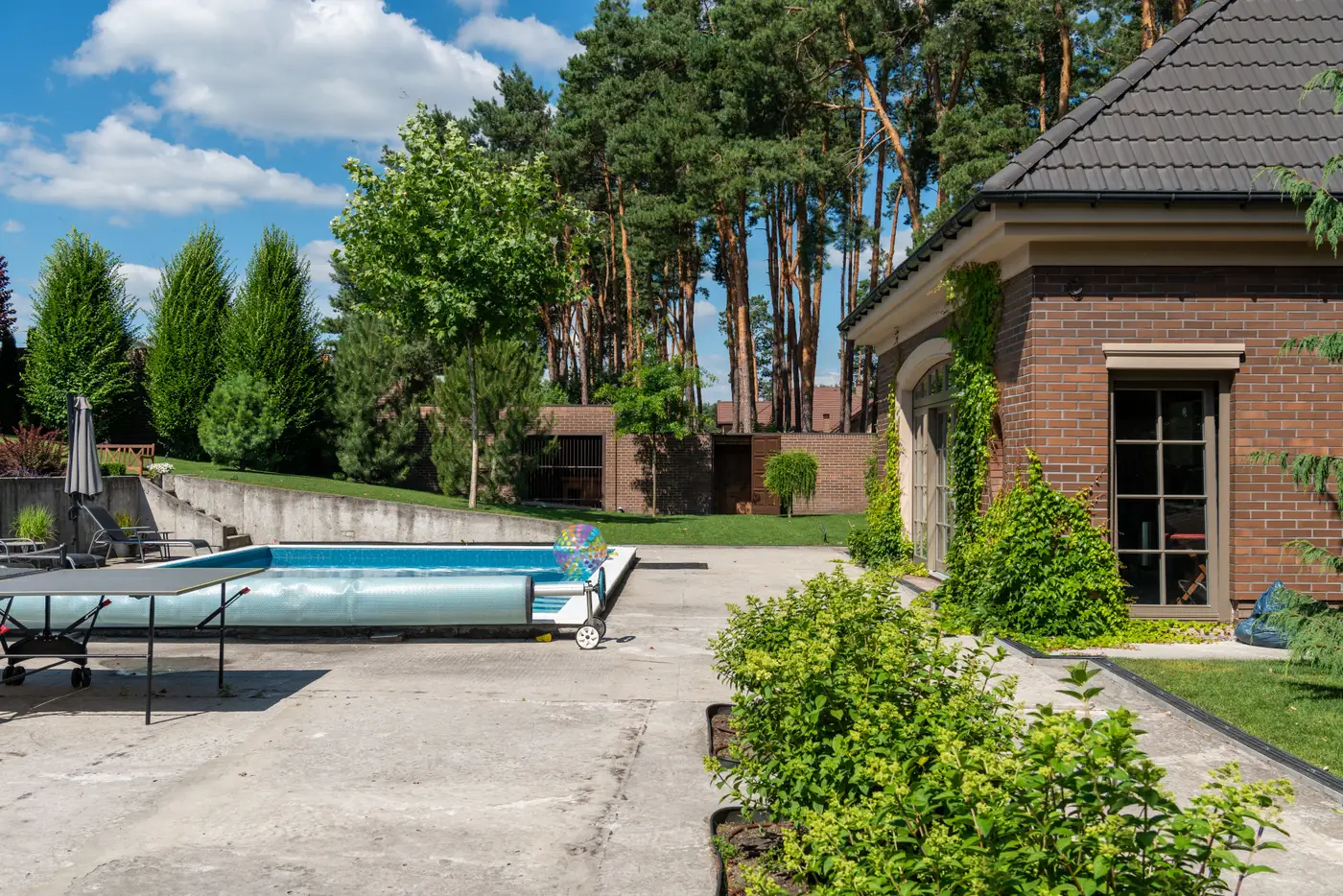
Roll reconciliation is the process of checking what's built on the ground against what's recorded on the assessment roll, parcel by parcel, and fixing the gap where the two don't match. Every county does some version of it. Few do all of it, because the ground truth changes faster than any office can walk it.
In plain terms: a homeowner pours a slab and builds a 400-square-foot addition without a permit. The roll still shows the house at its original square footage. Nobody catches it until a sale, a refinance appraisal, or a neighbor's complaint flags it, sometimes years later. Roll reconciliation is the work of finding that gap before it costs the jurisdiction years of uncollected revenue.
Why the roll drifts from the ground
Permits are the front door, but they're not the whole building. A property owner pulls a permit for a shed and ends up adding a pool house instead. Another owner never pulls a permit at all. Cash jobs, owner-builds, and additions finished over a few weekends rarely show up in the permit queue, which means a permit cross-check alone only catches the improvements people told you about.
Field crews catch the rest, eventually. But a field review of every parcel in a county, done by driving or walking each one, takes years to cycle through. That lag is built into the review cycle, not a sign of a sloppy office: a county-wide field pass takes years to complete, so the roll trails whatever went up since the last time a reviewer walked that block.
What an annual roll pass checks
A full reconciliation pass compares two things for every parcel: what's built now, and what the roll says is there. That means looking at footprint, additions, pools, and outbuildings against the roll's recorded improvements and the last known imagery, then producing a change flag for every parcel where the two disagree.
Done well, it covers the whole roll once a year, not just the parcels a reviewer happened to drive past, so no unassessed improvement sits unflagged for a decade because its block wasn't due for field review. The output is a ranked list: which parcels changed, roughly how much added value that change represents, and which ones are worth sending to field verification first.
That ranking matters more than it sounds. An assessor's office with limited field staff can't chase every flag with equal urgency. A new 2,000-square-foot addition on a half-acre lot and a 10x10 shed in a backyard are both technically unassessed improvements, but they don't carry the same weight for the tax base. Sorting by estimated added value means the office spends its field hours on the parcels where a supplemental assessment adds the most to the tax base first.
Where it fits with permits and field work
Roll reconciliation doesn't replace permit cross-checks or field verification. It sits upstream of both. Permits tell you what people reported. Field verification confirms what a reviewer sees in person, parcel by parcel, usually after something else pointed them there. Reconciliation is the step that decides where to point them: it catches the improvements that never showed up in a permit file and never got a visit, because nothing in the normal workflow would have sent anyone there.
Tax Gap Detection runs that comparison by setting this year's imagery against last year's and the current roll, once a year, and handing back a ranked list of parcels with unassessed change, ready to route to field verification instead of guessing which blocks to drive next.
If your roll hasn't had a full pass in a while, it's worth finding out what's sitting unassessed before the next reval cycle does it for you.